
By Eric Kawa
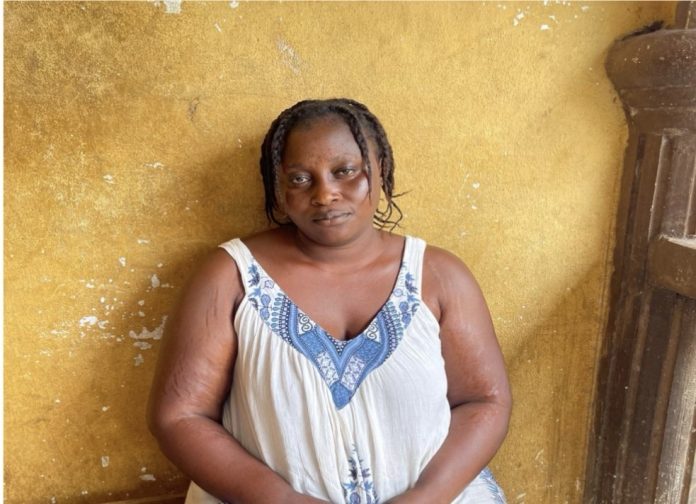
For many of us, the sound of rain should bring comfort. But for people like Nancy Sesay in New England Ville, it has become a reminder of the darkest moment of her life. Months ago, heavy floodwaters and mudflow rushed down from the surrounding hills, pushing down a compound fence that collapsed onto Nancy’s makeshift home. In a matter of minutes, she lost nearly everything: her mother, several of her children, and her one-year-old, who is still missing. Now, whenever the rain begins to fall over Freetown, it brings back fear, grief, and memories she can never forget.
On July 23rd, Nancy was out selling foofoo when sudden, heavy rain caught her by surprise. By the time she hurried back home, the fence had already fallen. Her husband, AlieTuray, a prison officer barely survived. “I couldn’t believe it,” she says softly. “When I got home, everything was gone. The memories of my loved ones still linger in my heart.”
Neighbor Abdulai Conteh remembers the moment vividly. “My son went to fetch water and came back shouting that the wall was falling. We tried to help, but the water was too strong,” he explains. One child died on the way to the hospital, two more were recovered dead that night, but Nancy’s youngest has never been found.
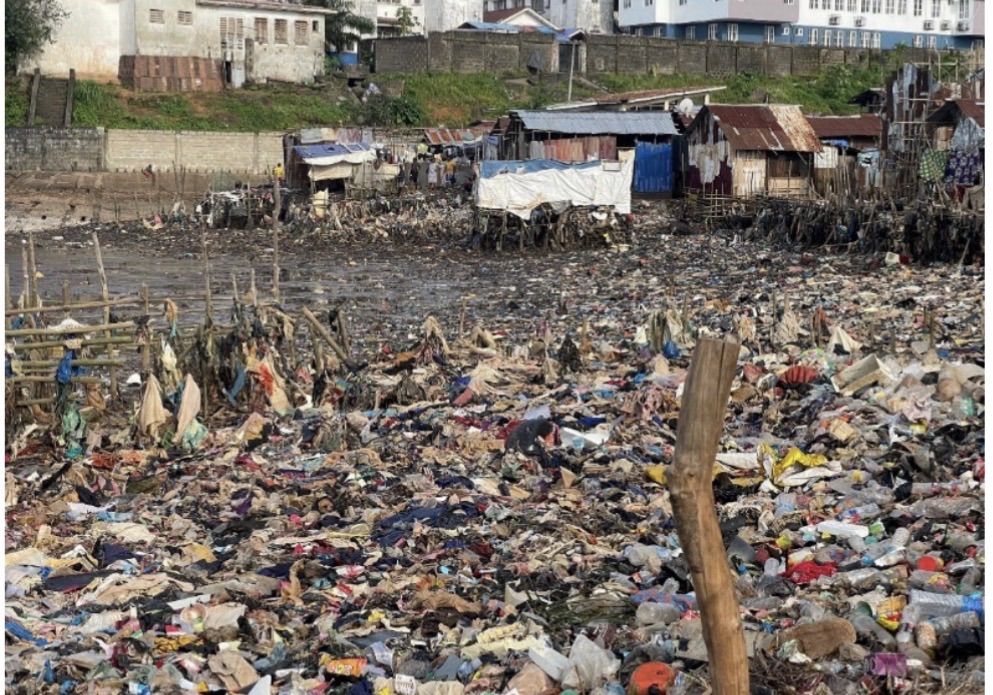
Even months later, Nancy struggles to rebuild her life. “I keep trying to sell foofoo and move forward, but sometimes I just sit and think of them,” she says. Sadly, her story is not unique. Communities like Kroo Bay continue to face rising floodwaters each rainy season. Narrow alleys filled with waste quickly overflow, turning homes into danger zones. Long-time resident Ibrahim Bat Sewa puts it plainly: “Every rainy season, the water rises faster.”
For children, the impact goes beyond physical destruction. Floods take away safe spaces to play, interrupt schooling, and expose them to diseases and trauma. “They grow up knowing fear,” Ibrahim adds a truth we see every year.
For children living through disasters, the fear goes far beyond the rising water. Philipa Cride-Dole is the President of the Children’s Forum Network Sierra Leone. She has spent years advocating for children’s safety, well-being, and participation in national decision-making.
“Whenever floods or other disasters hit our communities, children bear the heaviest burden,” Philipa explains. “These events don’t just destroy homes and schools; they disrupt childhoods. Many children become displaced, separated from their families, or exposed to exploitation, while others face emotional trauma that can follow them for years. No child should have to choose between safety and education, yet disasters continue to push thousands into fear, uncertainty, and learning loss.”
She emphasizes that protecting children must be a national priority, not an afterthought. “This is why we are calling on the government, NGOs, and community leaders to strengthen disaster preparedness, improve early warning systems, and support child-centered recovery,” Philipa adds. “Investments in safe shelters, alternative learning spaces, and trauma support services are not optional they are essential. Children are resilient, but they must not be left to face disasters alone. Protecting them today means securing the future of our nation.”
A 2023 UNICEF report warns that millions of children are being displaced by weather-related events made worse by climate change, with floods and storms responsible for almost 95 percent of recorded child displacements.
The report highlights that children have long been statistically invisible in displacement data, making it harder to understand the true scale of the crisis. The report further states that there were 43.1 million internal displacements of children linked to weather-related disasters over a six-year period – the equivalent to approximately 20,000 child displacements per day, underscoring the growing dangers for countries like Sierra Leone, where flooding continues to threaten children’s safety and wellbeing.
Gbangay Kanu, Deputy Director for Mental Health and Psychosocial Support at the Ministry of Social Welfare in Sierra Leone, highlights the importance of focusing on children’s emotional well-being during disasters. “We partner with UNICEF to roll out programs like the Early Adolescent Skills for Emotions (EASE) that teach children how to manage stress and feel safe again,” he explains. After the New England Ville tragedy, he said his team worked with the National Disaster Management Agency to support rescue efforts and provide psychological first aid. Still, he acknowledges a hard truth: “We are doing our best with what we have, but the need is far greater than our capacity.”
Despite existing policies, major gaps remain. Sierra Leone has frameworks on early childhood development and child protection, but limited funding and implementation weaken their impact. Early childhood mental health, nutrition, and education recovery often receive too little attention and too few resources. Without targeted investment, disasters will continue to rob children of their potential.
Climate change, poor drainage systems, and overcrowded settlements are making floods more frequent and more deadly. Homes, schools, bridges, and roads continue to crumble under heavy rainfall and children suffer the most. While emergency aid helps in the short term, lasting solutions require better infrastructure, urban planning, and climate resilience.
We cannot afford to wait for another tragedy. Governments, donors, and NGOs must prioritize young children in disaster recovery efforts, allocate funding for mental health and education support, and strengthen community preparedness. Nancy’s heartbreak is a reminder of what is at stake: human lives and the future of an entire generation.
This piece is in collaboration with Reporters for Early Age Children in Humanitarian Crisis (REACH)

