AYV News, September 28, 2026
The Sierra Leone Network on the Right to Food (SiLNoRF) has called for greater transparency, consultation and fairer benefit-sharing between Miro Forestry Sierra Leone and communities affected by its operations.
The call came during a multi-stakeholder engagement in Makeni following the presentation of SiLNoRF’s report, “Uprooted Promises: A Case Study of Carbon Credits, Land Rights and Community Impacts in Sierra Leone.”
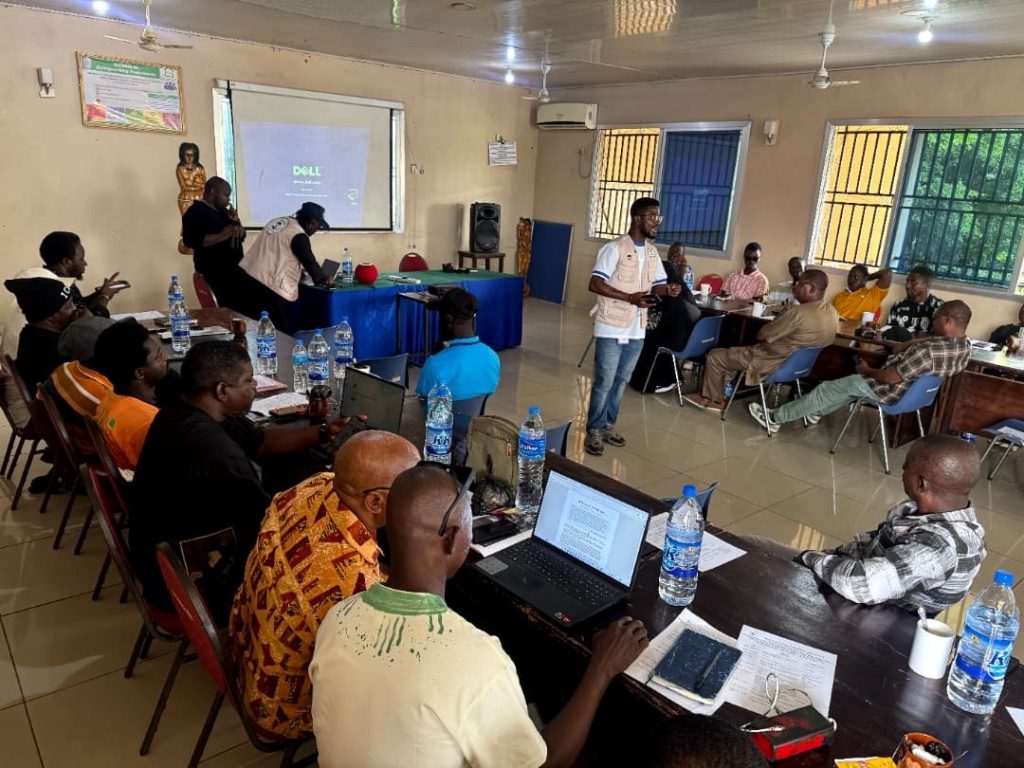
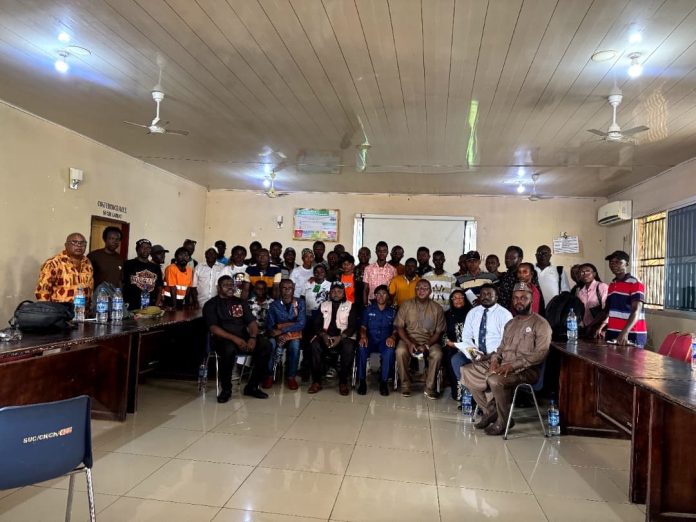
The meeting brought together representatives of Miro Forestry, civil society, Parliament, traditional authorities and landowning families to discuss concerns raised in the report.
SiLNoRF said its research, conducted in October 2025 with 289 participants from six villages in Tonkolili and Port Loko districts, identified concerns over land acquisition, livelihoods, carbon-credit awareness, women’s participation and compensation.
According to the report, some community members said there had been limited consultation and negotiation before land was acquired for plantation activities. Some also reported that areas described as degraded land had previously been used for subsistence farming and the collection of natural resources.

The organisation further said some residents, local authorities and other people interviewed were unaware that carbon-credit activities were taking place on the plantation land, which they mainly understood to be used for timber production.
SiLNoRF also raised concerns about the participation of women, saying some women interviewed reported reduced access to fruit trees and firewood and limited involvement in consultations and land-related payments.
On compensation, landowners interviewed described the annual rent of US$17 per hectare as inadequate in relation to lost subsistence income and household needs.
The report said project documents provide for a community fund equivalent to five per cent of net profits. However, some landowners interviewed said communities had not received a share of carbon-credit proceeds and that there was no functioning mechanism for sharing operational revenues at the time of the research.
Miro Forestry Finance Manager Mohamed Turay said the company should have been given an opportunity to engage with SiLNoRF before the report was published. He also maintained that Miro has a strong record of compliance.
Miro and South Pole, which supported the carbon project, have disputed aspects of the report’s findings and questioned elements of its methodology. They maintain that the project complies with applicable laws, sustainability standards and validated methodologies.
Meanwhile, Hon. Aaron Aruna Koroma of Tonkolili District highlighted Miro’s reported tree-planting activities, saying the company plants approximately 1.5 million trees annually and has planted about 22 million trees since beginning operations.
Paramount Chief Bai Simera Kapen III of Masimera Chiefdom called for greater awareness among communities and traditional authorities about carbon-credit arrangements.
The engagement ended with calls for continued dialogue and greater transparency in land agreements, carbon revenues and community benefit-sharing.
SiLNoRF recommended that land leases be reviewed in line with Sierra Leone’s 2022 Customary Land Rights Act and called for stronger participation of women and affected communities in land governance and benefit-sharing decisions.