
AYV News, March 2, 2026
The Institute for Governance Reform (IGR) has called for sweeping reforms in the bulk procurement and distribution of rice and other food items within the Government of Sierra Leone’s system, citing significant inefficiencies and potential waste in public spending.
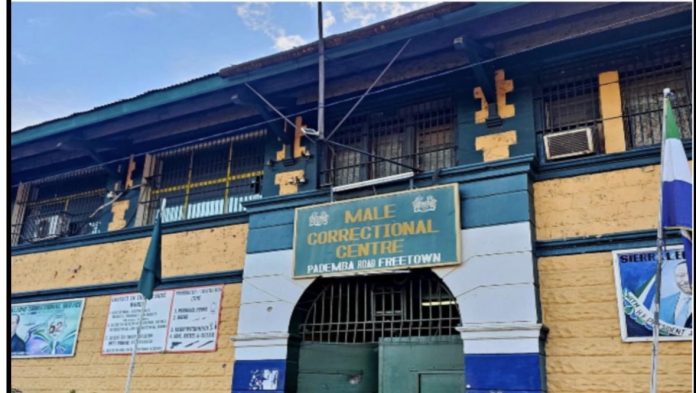
In a newly released report examining food procurement practices between 2016 and 2023, IGR revealed that at least 80 percent of the NLe211,301,884 (approximately USD17.8 million) allocated for the purchase of rice for prisoners during the period amounted to what it described as wasteful expenditure.
According to the report, official records indicate that each prisoner was allocated an average of 10.2 cups of rice per day on paper. In addition to this, nearly an equivalent amount of public funds was reportedly spent on what were classified as “regular and special diets,” including fish, meat, plasas, and other condiments.
IGR questioned the realism and sustainability of such figures, suggesting that the documented allocations may not reflect actual consumption levels or efficient budget management. The think tank further implied that discrepancies between recorded allocations and practical realities raise concerns about value for money and oversight mechanisms within the procurement chain.
The report argues that weaknesses in monitoring, supply chain management, and contract oversight have created opportunities for inflated costs and inefficient distribution. It notes that the issue extends beyond correctional facilities and reflects broader structural challenges in how bulk food procurement is handled across government institutions.
IGR emphasized that without urgent reforms, public resources intended to support vulnerable populations—such as inmates—risk continued mismanagement, especially at a time when the country faces economic pressures and fiscal constraints.
The Institute has therefore recommended comprehensive reforms, including stricter auditing processes, transparent contract awards, digital tracking of supply chains, and independent verification of delivery and consumption data. It also called for enhanced parliamentary and civil society oversight to ensure accountability.
Observers note that the findings could spark renewed debate over public financial management and the efficiency of government spending, particularly within institutions responsible for custodial care.
As the report gains public attention, pressure may mount on relevant authorities to respond to the allegations and clarify how procurement funds have been utilized over the years in question.

