
By Victor Jones
19 November 2026
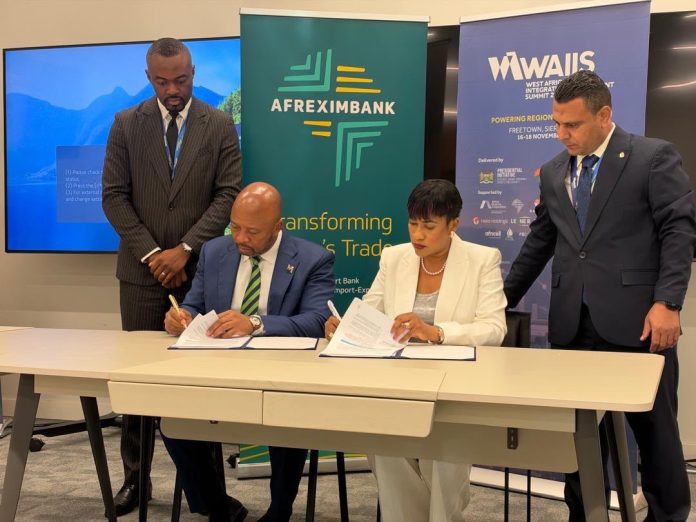
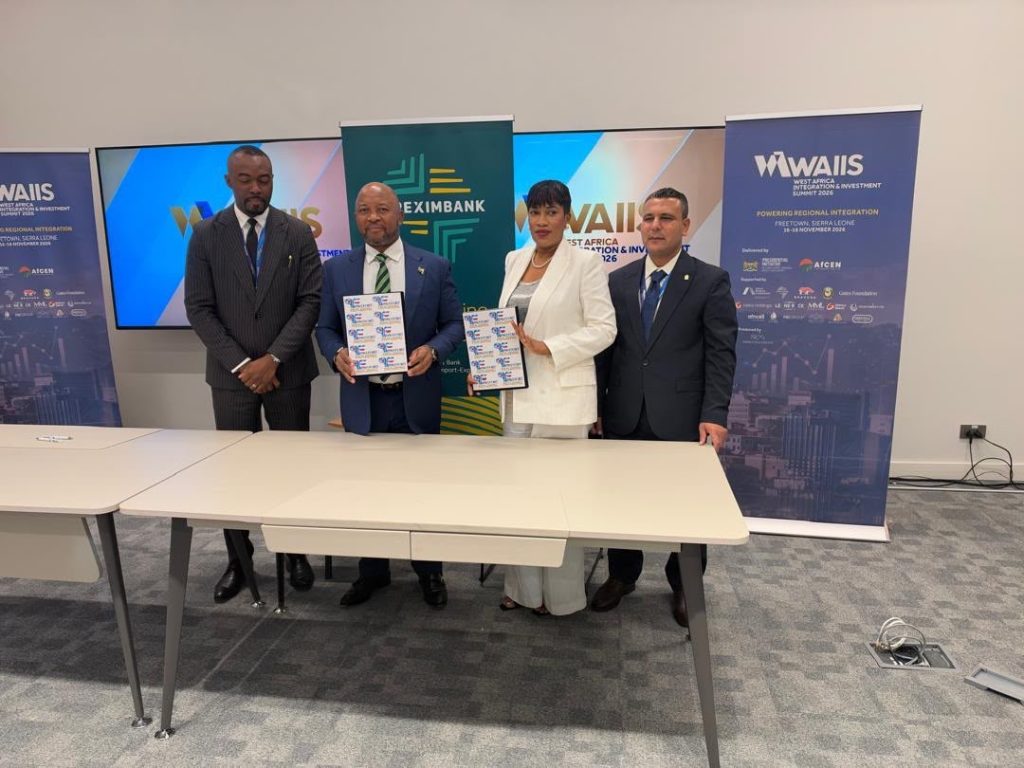
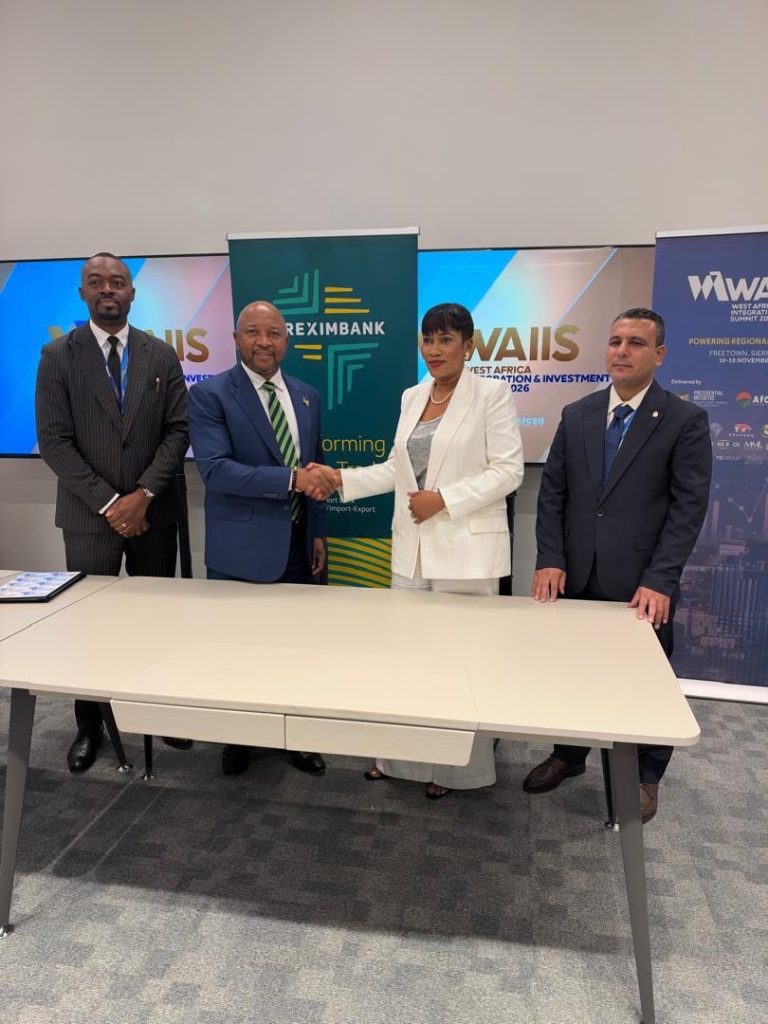
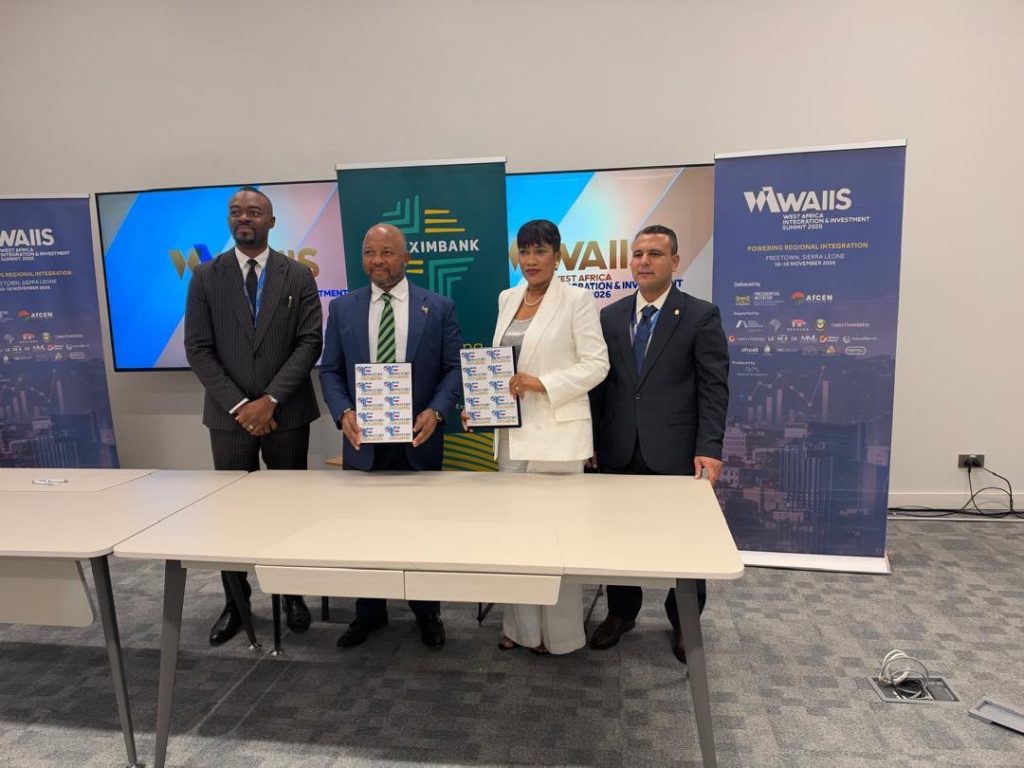
A Sierra Leonean company has signed a $200m (£150m) financing agreement with Afreximbank to back two infrastructure schemes it says would redraw the country’s map and create more than 600,000 jobs.
Pavi Fort AL Associates (SL) Ltd signed memoranda of understanding for both projects at the West Africa Integration and Investment Summit (WAIIS). The summit follows West Africa’s biggest gathering of presidents in July 2026 for the ECOWAS summit.
The first, the Three Cities Initiative, envisages a new administrative capital, an airport city and an eco-tourism hub, stitched together by a 49km (30-mile) highway to Lungi International Airport. The company says the journey would take about 40 minutes.
The second is a 550km Ring Road meant to tie the north, south and west of the country to Freetown. Its proposed routes run from Masiaka to Kenema, Bo and Kambia, and it includes an upgrade of the Cline Town–Wellington road, which carries heavy traffic from the existing seaport.
The plans aim at a long-standing bottleneck. Lungi, the only international airport, sits across the Sierra Leone River estuary from the capital. Official planning documents describe the existing road route as taking between three and more than six hours, depending on traffic and season. Many travellers instead rely on ferries or water taxis, a crossing that generally takes about an hour.
The airport’s passenger numbers show how much that gulf can weigh on the country. It handled about 269,000 passengers in 2025, against a design capacity of 1.2 million.
A growth corridor report dated November 2026, which supports the Three Cities plan, estimates that road travel from the proposed new capital to the airport could fall from about two hours 29 minutes to 56 minutes. From central Freetown, it says, the trip could shrink from nearly three hours to around one hour 25 minutes. These are free-flow, road-only estimates that exclude ferries and water taxis.
The report envisages a government district, a business centre, university campuses and a new “Lungi City” built around the airport and a proposed port and logistics hub. Planners say Freetown’s population could approach two million by the late 2020s, adding pressure on a road network already clogged at junctions such as Congo Cross and Wellington.
Tasso Island, in the plan’s eco-tourism zone, lies inside the Sierra Leone River Estuary protected area. The report says development there should be limited to low-impact tourism, and calls for safeguards for mangroves, flood-risk assessments and drainage. Related planning guidance recommends mangrove buffers of at least 50 to 100 metres and warns of sea-level rise of 0.61 to 0.82 metres by 2100.
The 600,000-job figure comes with no breakdown and no timeframe. The report itself describes the Three Cities scheme as still at the data collection and vision stage, a foundation for later masterplanning. Feasibility studies, environmental assessments and detailed implementation plans are yet to come.
An MoU is a declaration of intent, not a contract to build, and the $200m facility is modest beside the scale of what is proposed. How the rest of the money will be raised, who will build the roads and when are questions the company has not yet answered.
For now, the plans are a blueprint on paper, and the real test will be whether they can be turned into roads, bridges and jobs.

