
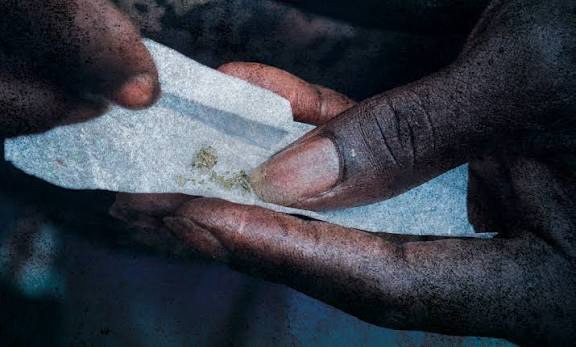
Concerns are mounting over what residents describe as a renewed surge in the sale and consumption of the synthetic drug commonly known as “Kush” in parts of Kroo Bay, Freetown, particularly within the Susan’s Bay and Tripoli communities.
Community members say the proliferation of the substance has intensified during the holy month of Ramadan, raising alarm among parents, religious leaders and youth advocates who fear the growing impact of drug abuse on vulnerable young people.
Residents allege that the two densely populated coastal settlements have increasingly become hubs for the illegal drug trade, with dealers reportedly travelling from other parts of Freetown and the Western Area Rural District to conduct business.
Many community members expressed frustration over what they perceive as inadequate law enforcement response. Some have accused certain officers of turning a blind eye to the activities, allegations which have not been independently verified.
Citizens interviewed in the area described the situation as deeply troubling, warning that unchecked drug abuse could further undermine youth development and public safety. They argue that if decisive action is not taken, more young people could abandon education and livelihoods in favour of substance abuse.
Residents have called on the Inspector General of Police, William Faya Sellu, to intensify oversight and ensure that officers within the Eastern Police Division strengthen operations against drug trafficking.
They also urged the Local Unit Commander and the Officer in Charge of the Susan’s Bay Police Post to step up patrols and enforcement efforts in order to curb the alleged trade and protect at-risk youth.
Efforts to contact police authorities for an official response were unsuccessful at the time of publication.
Drug abuse, particularly the spread of Kush, has become a growing public health and security concern in Sierra Leone in recent years, with civil society groups and government agencies repeatedly calling for stronger enforcement, rehabilitation programmes and community-based prevention initiatives.
Residents say urgent, coordinated action is needed to prevent further harm and restore safety within the affected communities.

