
AYV News, March 4, 2026
Growing concerns have emerged over what educationstakeholders describe as inconsistencies in the enforcement of mock examinations across Sierra Leone’s school system.
While mock exams are reportedly compulsory and closely supervised for pupils preparing for the National Primary School Examination (NPSE), similar rigor is said to be lacking for students sitting the Basic Education Certificate Examination (BECE) and the West African Senior School Certificate Examination (WASSCE).
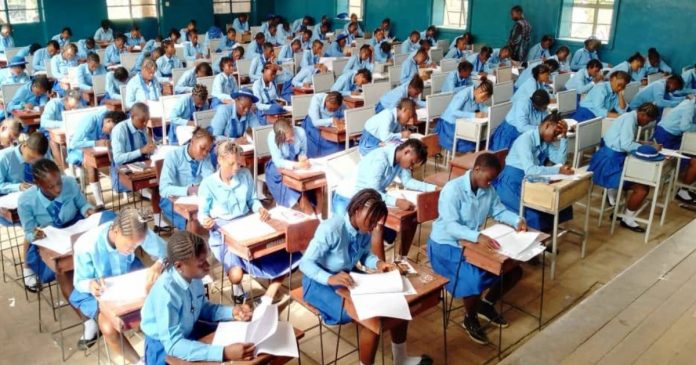
Education observers note that in many secondary schools, student attendance remains irregular, and mock examinations are either poorly organised or not conducted at all. This, they argue, leaves candidates underprepared for their final external assessments.
Mock examinations are widely regarded as critical preparation tools. They provide students with an opportunity to identify academic weaknesses, build confidence, and familiarize themselves with real examination conditions.
Teachers say that when properly administered, mock exams help improve time management skills and reduce anxiety ahead of major national and regional examinations.
Stakeholders are now calling on parents, school authorities, and the Ministry of Basic and Senior Secondary Education to collaborate in making mock examinations mandatory and effectively supervised at all levels of the education system.
They warn that without structured preparation mechanisms in place, the trend of poor performance in public examinations may persist, potentially affecting students’ progression and future opportunities.
Education advocates maintain that strengthening mock exam systems for BECE and WASSCE candidates could significantly improve overall outcomes and restore confidence in secondary school performance nationwide.

