
AYV News, March 27, 2026
A former two-term mayor has raised serious legal concerns over the recent appointment of an acting mayor for the Freetown City Council, warning that the move could undermine the legal framework governing local councils in Sierra Leone.
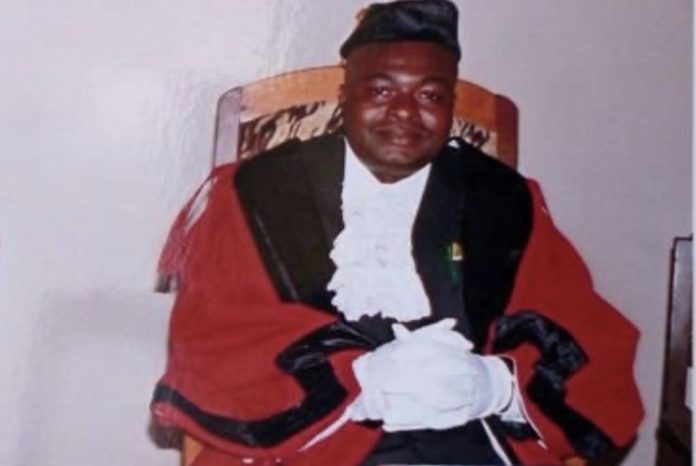
Layemin Joe Sandi, a former mayor and erstwhile National Public Relations Officer of the Sierra Leone People’s Party (SLPP), argued that the Local Government Act 2022 does not recognize or provide for the position of an “Acting Mayor.”
According to Sandi, in situations where a sitting mayor is absent, the law clearly mandates that the deputy mayor should assume the functions of the office, thereby preserving the democratic mandate of elected leadership. He explained that where both the mayor and deputy are unavailable, councillors may only elect one among themselves to preside over a council meeting—an administrative role that does not carry the authority or status of the mayor.
His position aligns with that of Freetown Mayor Yvonne Aki-Sawyerr, who has also rejected the appointment, citing Section 16(3) of the Act as the only applicable legal provision in such circumstances.
The controversy follows the decision by SLPP councillors to nominate Councillor Ibrahim Gbla as acting mayor, a move they say is intended to restore effective governance in the capital amid an ongoing boycott by officials of the All People’s Congress (APC). The boycott, declared in late February 2026, stems from disputes over the government’s handling of recommendations from the Cross-Party Tripartite Committee, including the appointment of a new Electoral Commission chairman and proposed electoral reforms.
Sandi also raised concerns about quorum, emphasizing that council decisions can only be valid if at least half of councillors are present. He further clarified that while the Ministry of Local Government provides oversight, it does not have the authority to appoint or approve an acting mayor under existing laws.
He noted that in extreme situations where a council is unable to function, intervention may only be carried out by the President with the approval of two-thirds of Parliament.
“While there are genuine concerns underlying the current boycott, the response must not erode the legal structures that sustain local governance,” Sandi cautioned.
The standoff has heightened uncertainty around the administration of Freetown, with observers warning of potential disruptions to essential services such as waste management and urban planning.
Sandi called for calm and constructive dialogue among political stakeholders, urging all sides to act in good faith and prioritise the interests of citizens.
“Local councils are the closest point of service to the people. When they are weakened, it is the ordinary citizen who suffers most,” he said.
Observers say the unfolding situation highlights the urgent need for clarity, legal adherence, and political compromise to safeguard democratic governance at the local level.

