
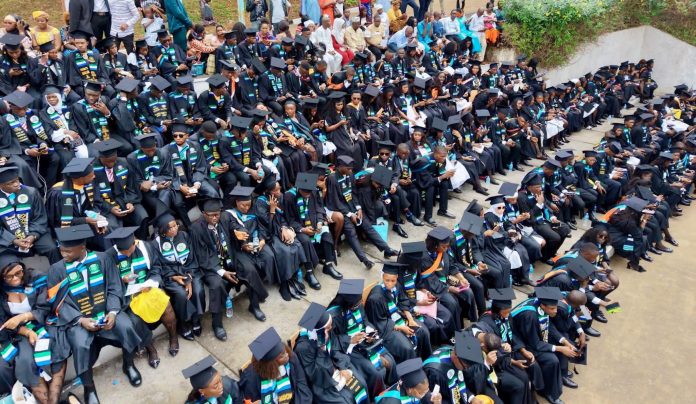
A digital entrepreneurship coach and mentor, Abraham Nicholas Kamara, has raised concerns over Sierra Leone’s education system, warning that its heavy emphasis on theoretical knowledge rather than practical skills is creating a growing pool of unemployed and under-skilled graduates.
Speaking on AYV’s Wake Up Sierra Leone programme, Kamara described the situation as a serious national challenge that requires urgent attention from policymakers, educational institutions, and the private sector.
“It is unfortunate that the curriculum we have been using and teaching focuses mainly on knowledge rather than skills acquisition, and this poses a serious threat,” he said. “We now have almost fifty thousand graduates roaming about without practical skills.”
According to Kamara, the mismatch between academic training and labour market needs has left many young people ill-prepared for employment or entrepreneurship, despite holding university degrees. He noted that employers increasingly demand practical competencies, digital literacy, and problem-solving abilities, which are often lacking among graduates.
He argued that without deliberate reforms, the country risks worsening youth unemployment and missing opportunities in the digital economy. Kamara called for a shift towards competency-based education, greater investment in technical and vocational training, and stronger partnerships between universities and industry.
“The skills gap is a national concern. Graduates should not only be job-ready but also equipped to create jobs themselves,” he added.
In response, the Ministry of Education, Science and Technology said it is aware of the challenges and is taking steps to reform the curriculum. A spokesperson noted that the government has already begun integrating practical skills and entrepreneurship modules into tertiary and secondary education. “We are committed to ensuring that students acquire both knowledge and skills that are relevant to the modern economy,” the spokesperson said.
Meanwhile, a lecturer at Fourah Bay College, said the concerns raised are valid. “The curriculum has historically focused on theory, but universities are increasingly incorporating internships, lab work, and digital skills training,” she explained. “Collaboration with industry and the private sector is key to producing graduates who can thrive in the workforce.”
Her comments come amid ongoing national discussions on youth unemployment and education reform, with stakeholders increasingly calling for curricula that reflect market realities and support sustainable economic growth.

