
AYV News, August 19, 2026
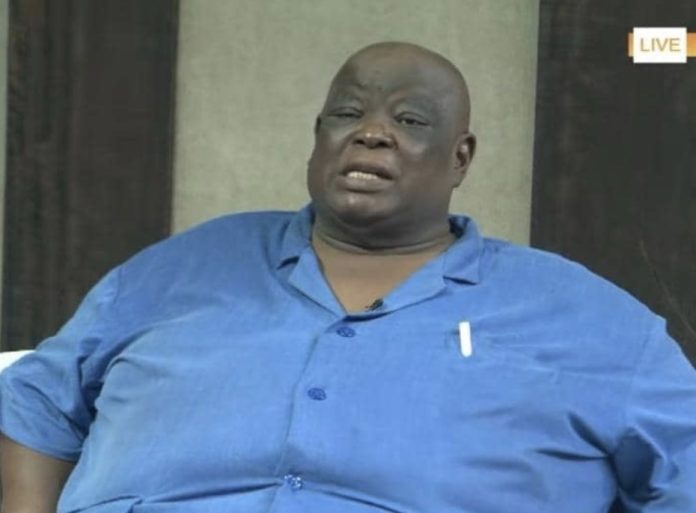
Former Principal and veteran educator Sylvester Meheux has linked the growing incidence of examination malpractice in Sierra Leone to the use of teachers who are not on the government payroll as examination invigilators.
Speaking exclusively to AYV, Meheux alleged that some unpaid teachers assigned to supervise examinations engage in what they describe as “Operation Pay Yourself,” turning examination supervision into an opportunity to make money.
According to the veteran educator, the situation is contributing to the erosion of the integrity of Sierra Leone’s examination system and could have serious consequences for the future of students.
“Examination malpractice has become the norm and in doing so, we’re eroding the very foundation of these children’s futures. That is unacceptable,” Meheux said.
He expressed concern that examination malpractice not only undermines the credibility of examination results but also deprives deserving students of a fair opportunity to demonstrate their academic abilities.
Meheux believes the issue requires urgent and independent investigation to identify the factors contributing to malpractice and recommend lasting solutions.
The former Principal is calling for the establishment of a special committee to investigate examination malpractice across the country.
He proposed that the committee should include senior education professionals with extensive experience in the examination system, particularly individuals who have previously served as Chief Examiners at the West African Examinations Council (WAEC).
According to Meheux, the experience and expertise of former Chief Examiners would be valuable in examining the causes, patterns and methods of examination malpractice, as well as recommending practical measures to address the problem.
He stressed that efforts to tackle malpractice should go beyond punishing students and examine the wider conditions surrounding the conduct and supervision of examinations.
The veteran educator’s comments come amid ongoing concerns over examination malpractice and the need to strengthen the credibility, fairness and integrity of Sierra Leone’s education and examination systems.
He maintained that ensuring a credible examination process is essential to protecting the future of students and maintaining public confidence in the country’s education system.

