
AYV News, September 10, 2026
Sierra Leoneans are bracing for another squeeze on household incomes and business operations following a fresh increase in fuel pump prices that is already feeding into the cost of transportation and threatening to push up the prices of everyday goods and services.
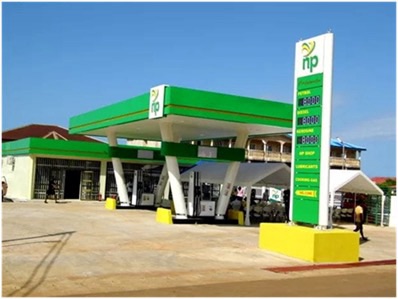
Effective Tuesday, September 8, petrol rose from NLe35 to NLe40 per litre, while diesel increased from NLe40 to NLe45 per litre, according to the National Petroleum Regulatory Authority (NPRA).
The NLe5 increase on both petrol and diesel may appear modest at the pump, but its impact is expected to be felt far beyond filling stations.
Fuel is a critical input for public transportation, commercial vehicles, generators, businesses, food distribution and other economic activities.
For ordinary Sierra Leoneans, the immediate concern is simple: how much more will it now cost to get to work, send children to school, buy food or run a small business?
For taxi and commercial drivers, every litre of fuel now represents a higher operating cost.
A driver who spends NLe400 to buy 10 litres of petrol under the previous price must now spend NLe450 for the same quantity. Over several days of operation, the additional expense can quickly become significant.
A transport operator, Senesie Bawoh Sandi told AYV that he cannot absorb rising fuel costs indefinitely without making adjustments to fares.
The pressure has already resulted in revised public transport fares.
The Ministry of Transport and Aviation, working with transport unions and operators, approved new fares effective September 8, with several routes in Freetown recording increases.
For example, the Lumley–Regent Road fare rose from NLe7 to NLe7.90, while Gloucester–Model increased from NLe14 to NLe15.80.
For commuters who make multiple journeys every day, even a small increase on each trip can translate into a substantial rise in weekly transportation expenses.
For students and families already working with tight budgets, higher transport costs could mean difficult choices.
Mariatu Sesay, a student who depends on commercial transport to attend school said she will now need more money for daily transportation. Parents, meanwhile, may have to find additional funds for school runs, food and other household necessities.
The concern is not only the direct cost of transportation. When the cost of moving people and goods increases, traders and businesses often face higher operating expenses, which can eventually be reflected in the prices consumers pay.
The ripple effect could be particularly significant in the food market.
Food does not simply appear in Freetown or other urban centres. It is transported from farms and provincial markets to trading centres, often using vehicles that depend on diesel or petrol.
A trader paying more to transport rice, vegetables, fish, palm oil or other commodities may have little choice but to adjust selling prices.
A market women, Fatmata Bangura, said the calculation is therefore becoming increasingly difficult: buying costs are rising, transportation is becoming more expensive, while customers themselves have limited purchasing power.
She said, “When traders increase prices, consumers complain. When traders maintain old prices, their profit margins shrink.”
Shops, restaurants, workshops, and other enterprises that rely directly or indirectly on fuel could face increased operating costs.
Businesses that use generators may be particularly exposed to diesel and petrol price movements, while companies that depend on vehicles for deliveries and distribution could face higher transportation expenses.
For some operators, the question will be whether to increase prices, reduce operating hours, cut expenses or absorb the additional cost.
Dr. Ezekiel Elliott, an Economist, said the broader concern is the possibility of second-round effects.
“Fuel is connected to almost every part of the economy. When transportation becomes more expensive, the cost of moving food, raw materials and finished products can rise. Businesses may then pass some of those costs to consumers”, he said.
He added that this can add further pressure to inflation and household purchasing power.
According to the NPRA in Sierra Leone, fuel prices are determined through an approved pricing formula that takes into account international refined petroleum prices, the exchange rate and other costs throughout the petroleum supply chain.
The latest adjustment, they said, also comes against a backdrop of continued volatility in international petroleum markets. The Government had previously used subsidies to cushion consumers from rising international prices, with the NPRA warning earlier this year that global petroleum-market disruptions were putting pressure on domestic prices.
For Sierra Leoneans, however, the debate is no longer confined to the price displayed at a filling station. The bigger question is how much more expensive everyday life will become.
If transport fares rise, food prices follow and businesses increase the cost of goods and services, households could find themselves paying more while their incomes remain unchanged.
And for a taxi driver counting every litre, a student counting every journey, a market woman protecting a small profit and a business owner struggling to keep the doors open, the latest fuel increase may be just the beginning of a much larger economic squeeze.

