
AYV News, April 28, 2026
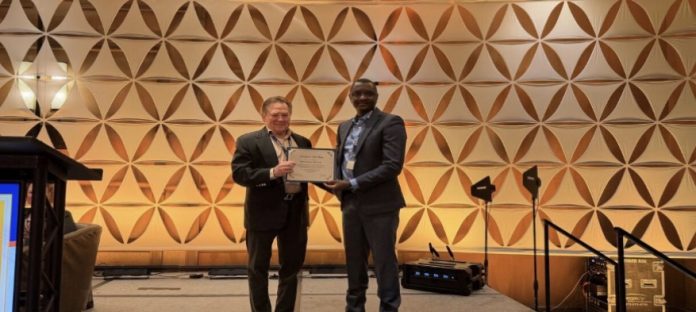
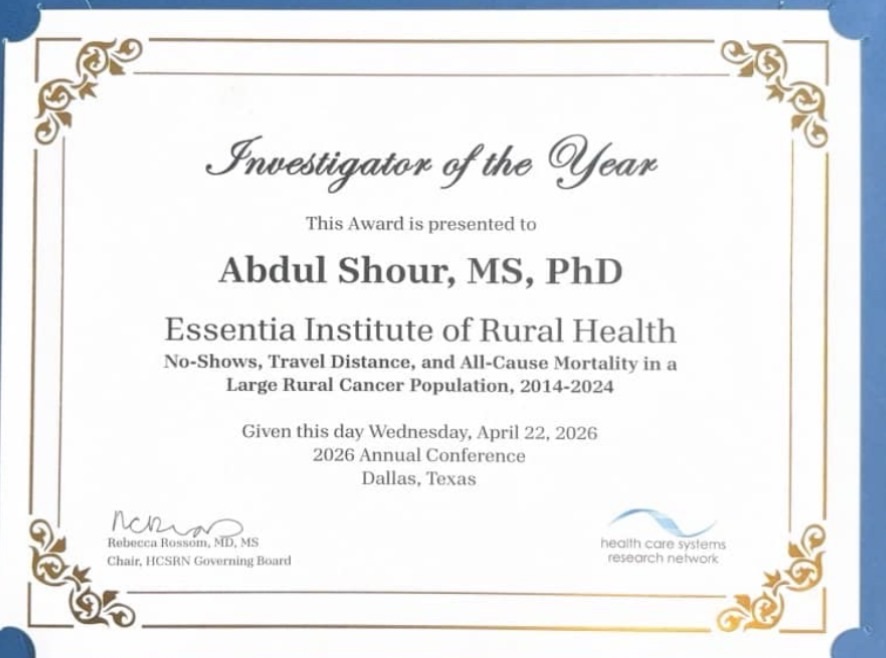
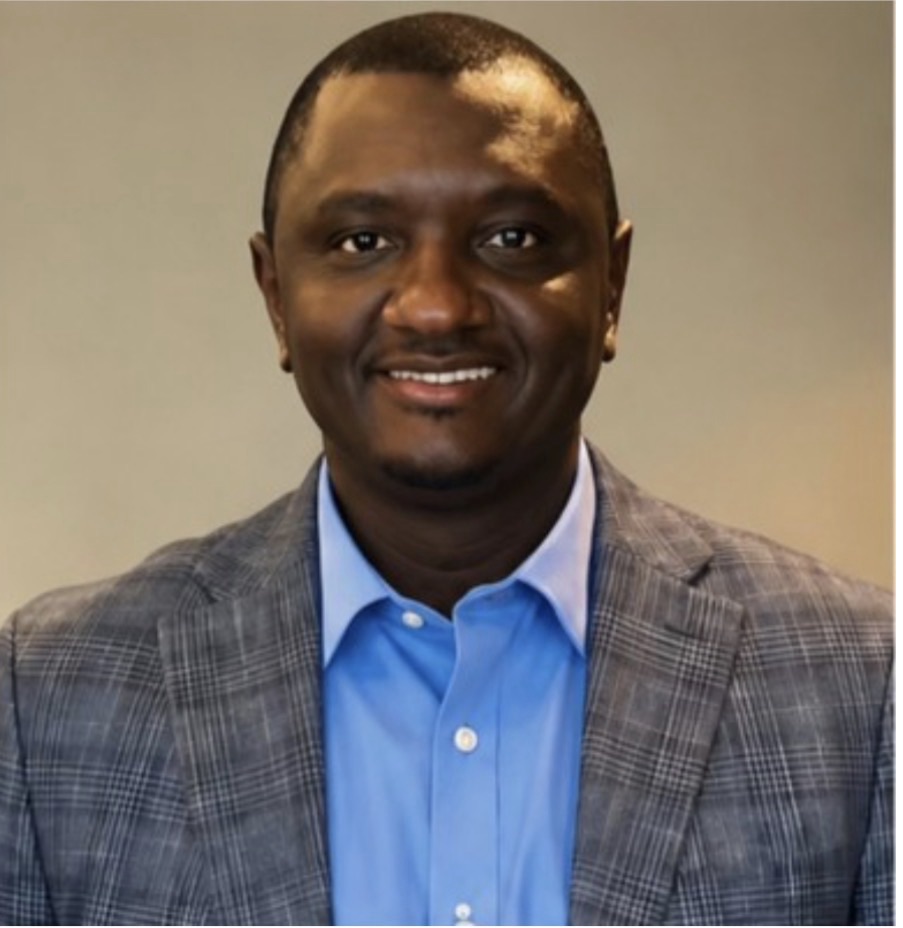
At the Sheraton Dallas Hotel, from April 21 to 23, 2026, researchers from across the United States gathered for the annual meeting of the Health Care Systems Research Network (HCSRN), a consortium that operates at the core of American health systems research. During the conference, Dr. Abdul R. Shour, a Sierra Leonean research scientist at the Essentia Institute of Rural Health, was named the network’s 2026 Investigator of the Year.
The recognition was tied to his study, “No-Shows, Travel Distance, and All-Cause Mortality in a Large Rural Cancer Population, 2014–2024.” Using electronic health record data from 5,793 adult cancer patients treated at Essentia Health, the study found that 33.9% of patients missed at least one oncology visit and 50.4% died during follow-up. Mortality was higher among patients with missed visits: 58.2% among those with at least one missed visit compared with 46.4% among those with no missed visits. After adjustment, patients with 3 to 5 missed oncology visits had 1.78 times higher odds of mortality, and the odds rose to 2.50 times among patients who both missed 3 to 5 visits and lived more than 20 miles from the clinic.
The findings point to a practical signal in rural oncology care: no-shows are not simply scheduling problems. They may identify patients whose care is being disrupted by distance, transportation, financial strain, illness burden, or other barriers. In that sense, the work fits a broader shift in U.S. health research, from asking only whether treatments work to asking whether patients can reliably reach and remain engaged in care long enough to benefit from them.
The study itself was not an individual effort. Shour led a multidisciplinary team that included Bret E. Friday, MD, PhD; Catherine Benziger, MD, MPH; Michelle Sikkink, MPH; Jordan Marmet, MD; David J. Satin, MD; Laura Palombi, PharmD, MPH, PAT, AE-C; Melissa Harry, PhD; Ronald Anguzu, MD, MPH, PhD; Stephen Waring, DVM, PhD, FACE; and Adedayo A. Onitilo, MD, PhD, MSCR, with collaborators spanning Essentia Health, the University of Minnesota Medical School, the Medical College of Wisconsin, and Marshfield Clinic Health System. The project also relied on institutional, administrative, financial, and informatics support from the Essentia Institute of Rural Health, including Katherine Dean, Kevin Galazen, Catharine Karow, and Anthony Castillo, which helped move the work from clinical data to analysis and national presentation.
HCSRN itself reflects the structure of contemporary health research in the United States. It brings together 19 major health systems and academic partners, including Essentia Health, Baylor Scott & White, Geisinger, HealthPartners, Henry Ford Health, Marshfield Clinic Health System, Sutter Health, UMass Chan Medical School, and multiple Kaiser Permanente research centers, along with the Harvard Pilgrim Health Care Institute, affiliated with Harvard Medical School. Across these institutions, more than 2,000 scientists work within embedded research environments, using real-world patient data to study care delivery at scale.
Shour’s role within that environment extends beyond a single study. He serves as a Principal Investigator on multiple projects focused on cancer outcomes, social determinants of health, and health care utilization, including studies on treatment adherence, readmissions, and system-level barriers to care. At the same time, he serves as a research mentor, training pharmacy residents and early-career clinicians in study design, statistical analysis, regulatory processes, and manuscript development. His work contributes both to the production of research and to the development of the workforce that carries it forward.
His academic path began in Sierra Leone, where he studied at Fourah Bay College, University of Sierra Leone, before moving to the United States for graduate training. He earned a PhD in Public and Community Health from the Medical College of Wisconsin and has since held academic and research roles across multiple institutions, including Marshfield Clinic Research Institute and the University of Minnesota Medical School. His publication record includes more than two dozen peer-reviewed articles spanning oncology, epidemiology, health services research, and global health, with work appearing in journals such as JAMA Network Open.
The significance of his presence at a conference like HCSRN is not abstract. For Sierra Leone, it reflects participation in systems that generate evidence used to guide clinical practice and health policy internationally. It signals not only representation, but contribution, to the kinds of analyses that shape how health care systems understand access, risk, and outcomes.
For the United States, it reflects a different reality. Much of its health systems research depends on an international and diaspora workforce embedded within its institutions. Researchers like Shour operate within complex data environments, translating clinical records into insights that inform decision-making at the system level.
The award in Dallas marks a point in that trajectory, tied to a specific study and a specific set of findings. The work itself continues in a more routine form, through datasets, collaborations, mentorship, and incremental improvements in how care is delivered and evaluated.
In that sense, the significance lies less in the recognition itself than in the setting: a Sierra Leonean researcher working within the infrastructure that helps define how health care systems in the United States measure performance, identify gaps, and respond to them.

