
AYV News, November 12, 2025
Sierra Leone has one of the highest rates of mental health disorders (MHDs) in Africa, affecting an estimated 15% of the population. The data from the Sierra Leone Psychiatric Hospital (January–September 2025) indicate that substance abuse is most prevalent among individuals aged 20–29 years, accounting for 52% of all reported cases (27% in the 20–24 age group and 25% in the 25–29 age group).
Overall, males constituted 86% of the total 2,795 cases, while females represented 14%.
Data from the Sierra Leone Psychiatric Hospital for 2025 continues to show that the vast majority of substance abuse cases are concentrated among young adults and youth, primarily within the 14-35 age bracket.
Approximately 77.9% of all patients (not just substance abuse, but the main demographic for the hospital) admitted between 2020 and 2023 were aged 14-35 years, with a mean age of 29 years.
Reports for 2024 and 2025 confirm this trend, with one official stating that around 75% of patients fall within the 20 to 34 age range.
Younger age (14-35 years) is a significant predictor of substance use disorders (SUDs) among patients at the hospital. The age of onset for substance use for most respondents in related studies was between 16 and 25 years.
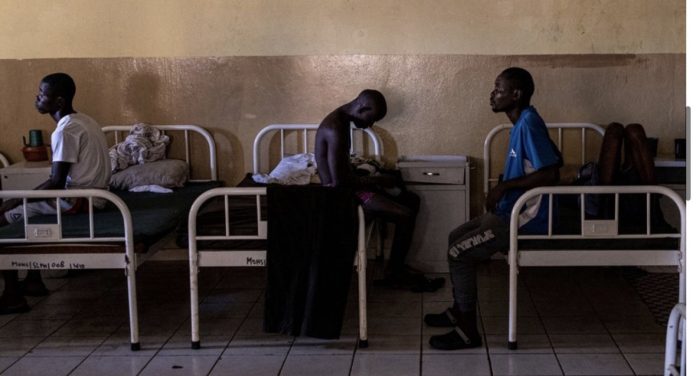
The recent surge in admissions, largely driven by the synthetic drug ‘Kush’, has overwhelmingly affected young males. The government declared a public health emergency against drugs in March 2024 due to this crisis, emphasising the impact on the nation’s youth.
The 1991-2002 civil war, 2014/2015 Ebola outbreak, 2017 mudslide, and COVID-19 pandemic have exacerbated the burden of MHDs in Sierra Leone. Despite this, limited data exists on the burden and predictors of MHDs, particularly substance use disorders (SUDs).
The burden of MHDs is substantial, with SUDs comprising over half of cases. Younger age, male gender, unmarried status, and unemployment are significant predictors of SUDs. The increasing number of cases, particularly among the most productive age group, highlights an urgent need for targeted interventions, including youth-focused mental health education, gender-sensitive strategies, and integrated mental health and economic empowerment programs.

